Learnings from the Convening
Thursday, 8 May, 2025 | Online
Rewilding the Mainstream with Visions of Climate Just Futures is a celebration of the independent storytellers who are planting seeds of narratives that envision better futures for all, the flourishing ecosystems that cultural allies are creating when they bring unexpected alliances together, from Afrobeats producers to Hague litigators to shift global climate policy, and the significant climate wins that are popping up across the globe. In a moment of global evolution, this is an opportunity to amplify the progress that has been made and inspire what is capability within our own communities.
Here’s a summary from the Inaugural gathering
Opening — Setting the New Agenda
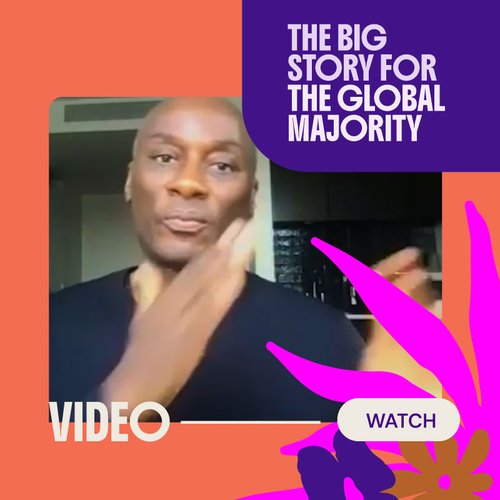
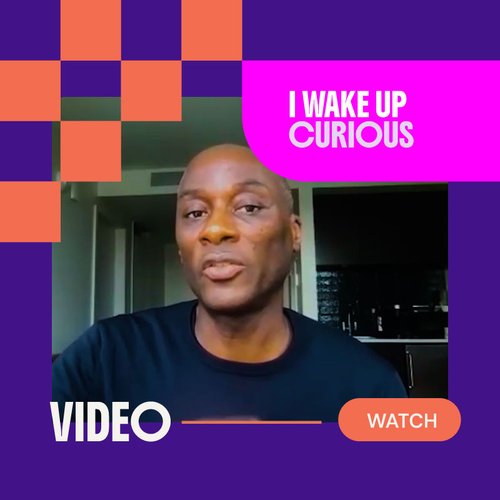
We kicked off with a keynote conversation with curator and cultural visionary Ekow Eshun and Megha Agrawal Sood, Co Executive Director at Doc Society. This conversation challenged us to move beyond Western binaries that constrain how we see climate, culture, and possibility. Highlighting that storytelling and art don't simply document, they articulate what liberation looks and feels like by drawing on collective memory, cultural and spiritual practices, reaching backward and forward simultaneously into myth and possibility.
Ekow reminded us that the legacy that matters now is one that insists on our collective right to beauty, wonder, and imagination as essential tools for reimagining the present and future.
Session 1:
Regenerative Futures — Imagining new possibilities in a changing world
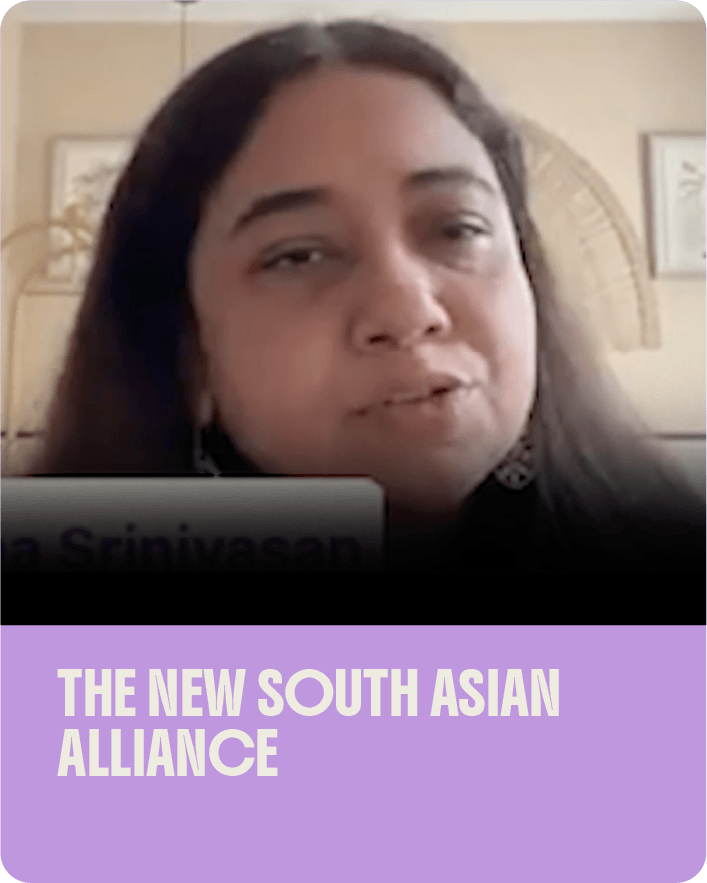
What came up: In a time of divisive geopolitics, shrinking media funding, and politicized climate discourse, regeneration must be an intentional response. Panelists of this session emphasized the need for new narratives that build resilience in affected communities, imagine alternatives when conventional paths are blocked, and center voices that might otherwise be marginalized. The conversation emphasised that our shared humanity is being challenged on multiple fronts, yet this is precisely when creative storytelling becomes most essential. Featuring Nasreen Al-Amin (Surge Africa), Andrea Ixchíu (Culture Hack Labs), Anupama Srinivasan (Storyteller, Metropolis), Basam Alasad (Greener Screen). Moderated by Shanida Scotland, Doc Society Co Director
Action point: Seek out and amplify storytellers working directly with communities facing climate challenges. Look for narratives that offer alternatives to business-as-usual solutions. Invest in creators who are embedded in the places and movements they document.
Session 2:
Stories as Seeds — Emerging narratives taking root in diverse communities
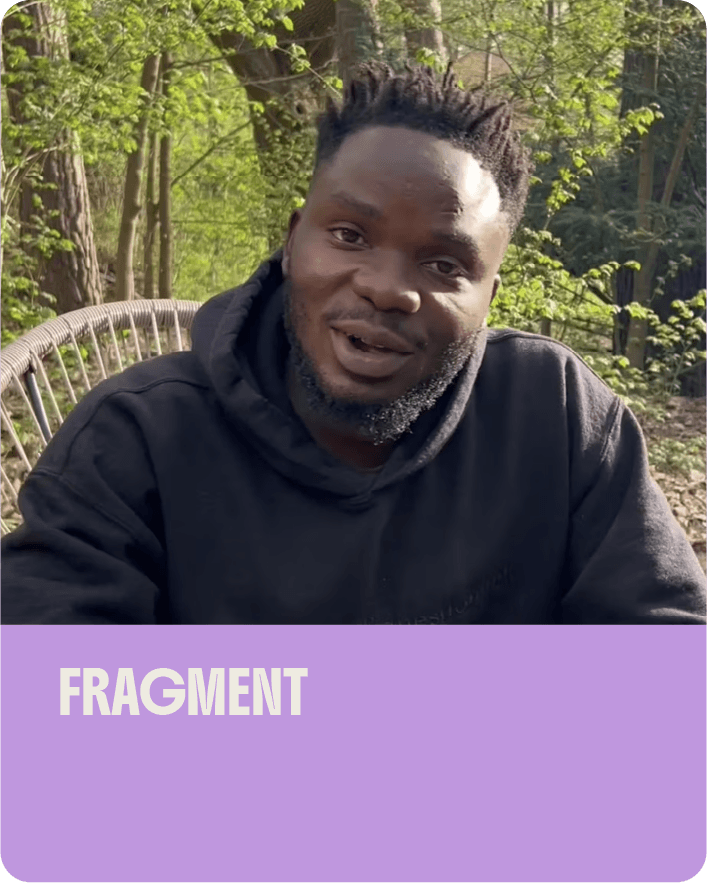
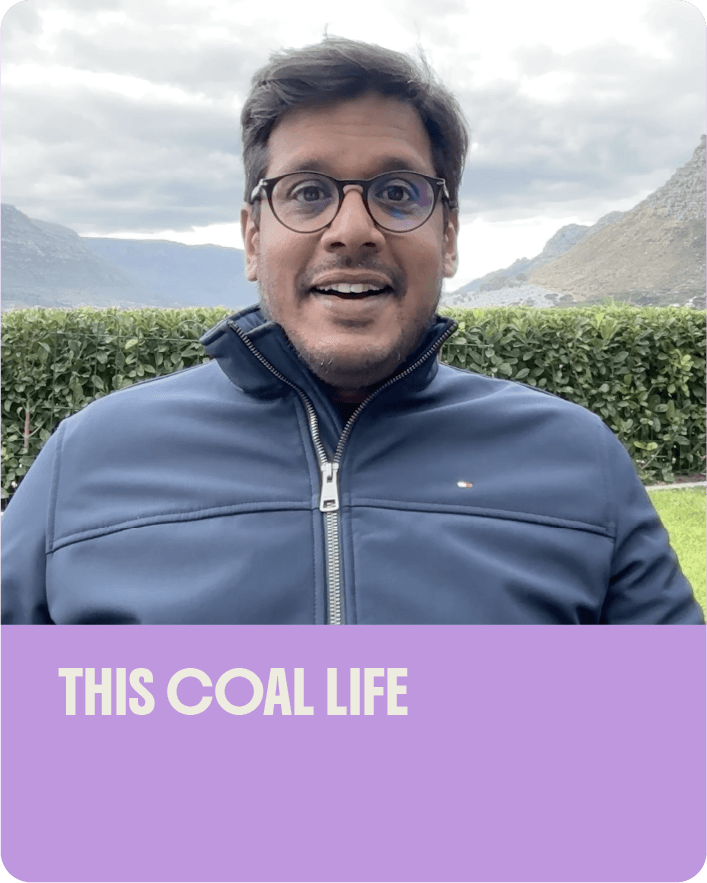
Featuring Otilia Portillo Padua (Storyteller, The Queendom), Maisha Maene (Storyteller, Fragment), Dhashen Moodley (Storyteller, This Coal Life). Moderated by Julian Etienne, Doc Society Climate Story Fund Officer
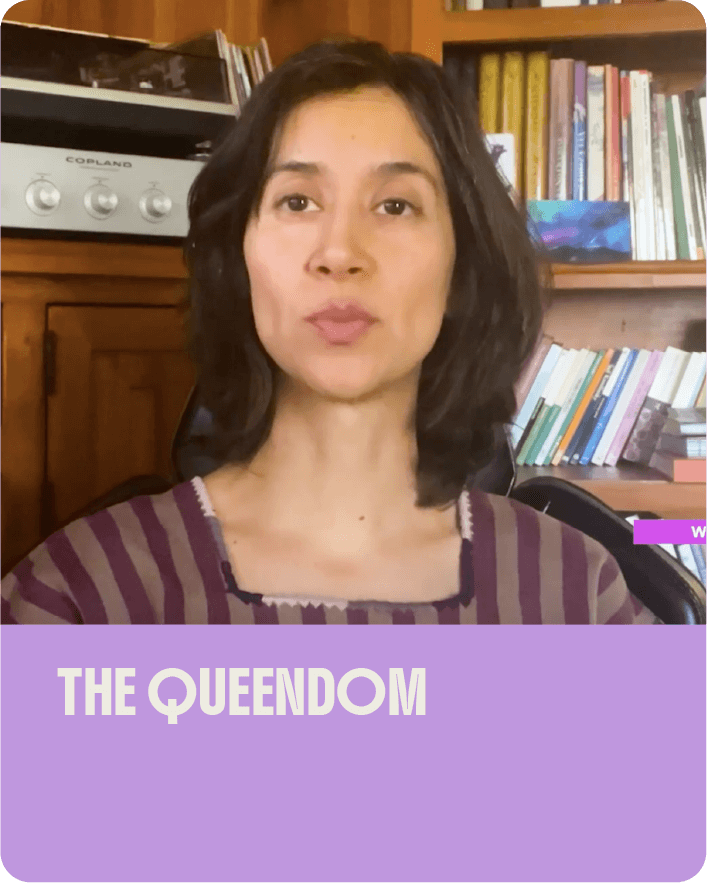
What came up: Stories in production represent ideas germinating in communities. Featured projects included The Queendom about fungi and Indigenous knowledge in Mexico, Fragment about humanity's relationship with technology in Congo, and This Coal Life, a podcast about a family in Kriel, South Africa, at the crossroads of the just transition, from coal to solar.These stories disperse far beyond their origins, establishing deep mycelial networks through communities. They are creating impact before their completion and creating resilient systems of knowledge.
Action point: Don't wait for stories to be ‘finished’ to activate them. Build distribution and engagement strategies early. Connect emerging work to existing movements and community organizing. Create feedback loops so stories evolve based on audience response
Session 3:
Narrative Ecosystems in Action — Connecting stories to movements for change
Featuring Anita Khanna (Storyteller, Temperature Rising) & Gabriel Klaasen (Intersectional Justice Advocate). Moderated by Julian Etienne, Doc Society Climate Story Fund Officer
What came up: This session featured the incredible impact case study for the film Temperature Rising. It was clear that individual stories gain exponential power when they connect to broader movements and campaigns. The film became a key advocacy tool for South Africa's youth-led campaign against new coal developments because it was strategically deployed alongside organizing, policy work, and community engagement. This session demonstrated that real policy change happens when storytellers, organizers, policymakers, and movement leaders coordinate their work through intentional collaboration and strategic timing, treating films not as standalone products but as components of larger systemic change efforts.
Action point: Map how your story connects to existing campaigns and movements. Coordinate release timing with advocacy moments. Build partnerships between filmmakers, organizers, and policymakers from the start. Track and document impact alongside traditional metrics, Share case studies of how narratives have contributed to tangible outcomes ie. policy shifts.
Session 4: Fertilizing New Ground - Hacking the status quo to connect across divides
Featuring Cindy Makandi (Tunga Afrika), Samuel Rubin (Entertainment + Culture Pavilion), Paige Bethmann (Storyteller, Remaining Native). Moderated by Emily Wanja, Doc Society Director of African Programmes
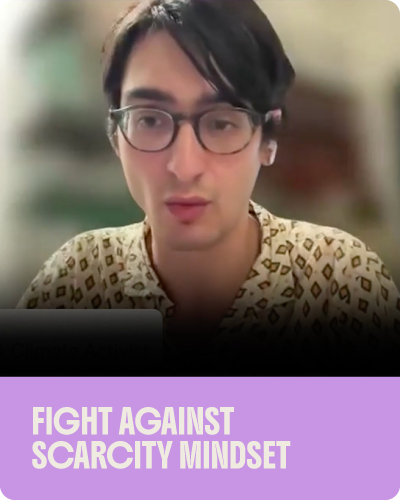
What came up: In this session founders of alternative distribution and ecosystem engagement spoke about stories being connective tissue through innovative distribution models. Organisations like Tunga Media Afrika are bringing African films into high school classrooms as teaching tools, The Entertainment + Culture Pavilion at COP is connecting entertainment to climate policy within the UN ecosystem,The film Remaining Native is running a creative impact campaign as part of an extended movement on, healing, and coalition building. The session emphasized radical collaboration and a rejection of scarcity mindset to expand impact.
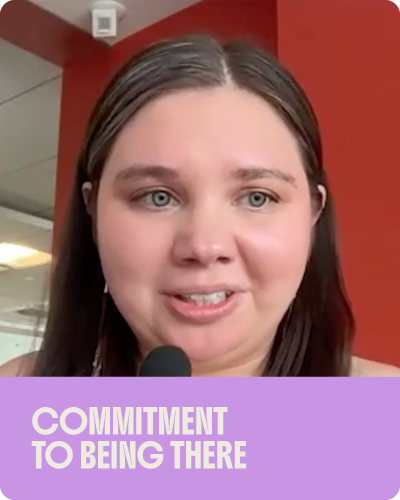
Action point: Experiment with non-traditional distribution channels. Partner across sectors ie education, policy, arts, activism. Build for multiple entry points and audiences. Collaborate openly rather than competing for limited resources. Ask: where else could this story live and create impact beyond traditional film platforms?
Closing: The Climate Bar - A Model for Community Building
Diego Galafassi from Hum Studio Interactive shared the Climate Bar. Launched at CPH:DOX25, as a replicable model for communities to gather and imagine bold climate futures together. Through intimate conversations, the Climate Bar asks:
What climate story lives in your heart? How can the film industry show up? What courageous step can you take? From wherever you are, you can host one. It's a tool to connect the 89% who want climate action with storytellers, funders, and allies ready to build something different.Would you be up to hosting a Climate Bar?
"We have been asking ourselves, how can we make the radical more common sense? What are the possibility models? The real world experiments of being, knowing or learning and challenging the existing systems? We have been doing our research organizing with other people and we have found tons of alternative ontologies that can transform breakdowns into possibilities.”
Andrea Ixchíu , Culture Hack Labs
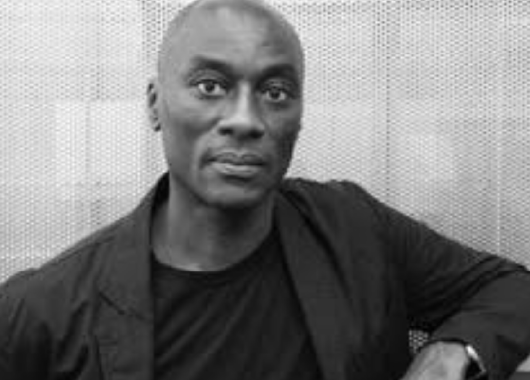
Ekow Eshun
Curator & Writer
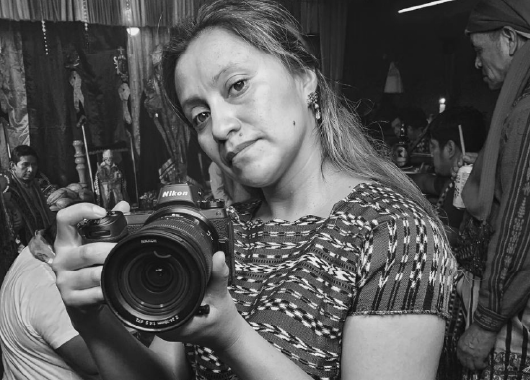
Andrea Ixchíu
Culture Hack Labs
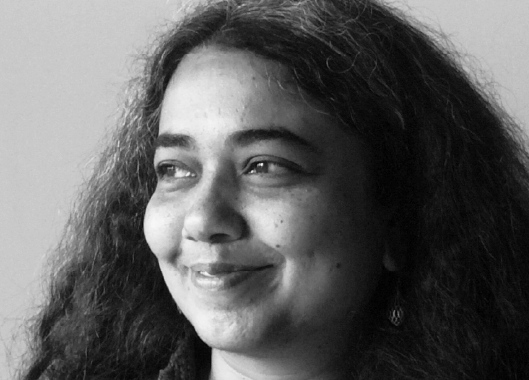
Anupama Srinivasan
Storyteller, Metropolis
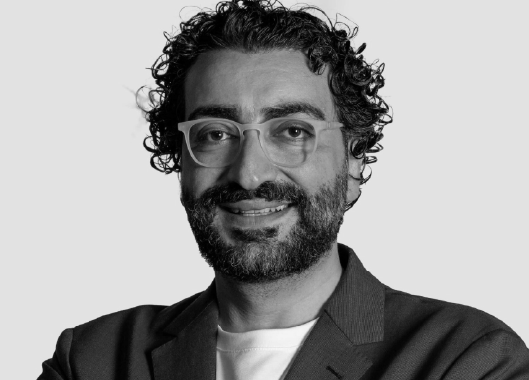
Bassam Alasad
Greener Screen
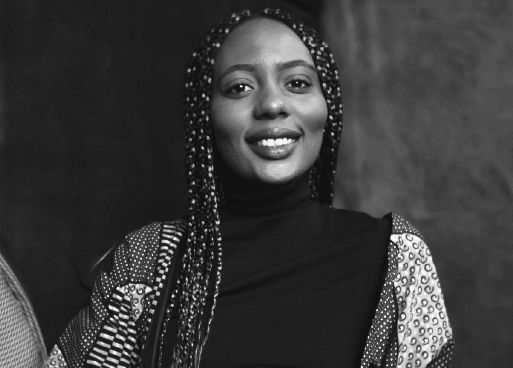
Nasreen Al-Amin
Surge Africa
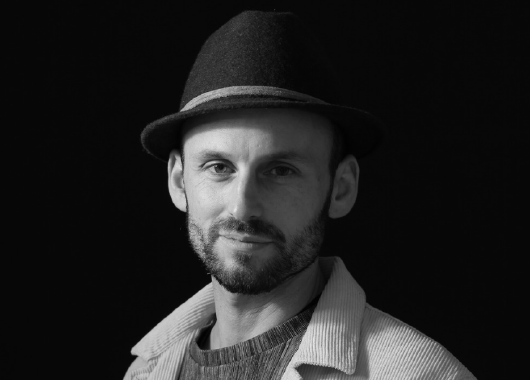
Diego Galafassi
Hum Interactive Studio

Cindy Makandi
Tunga Afrika
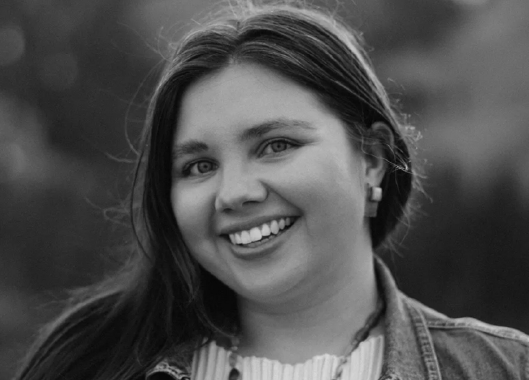
Paige Bethmann
Storyteller, Remaining Native

Samuel Rubin
Entertainment + Culture Pavilion
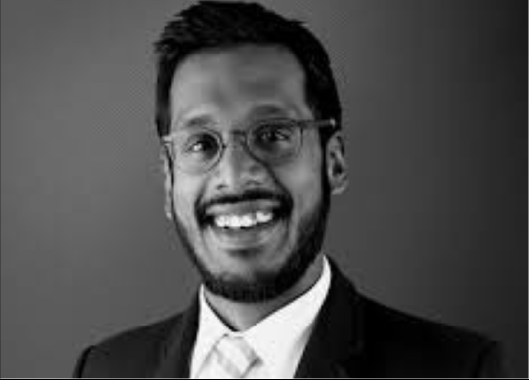
Dhashen Moodley
Radio Workshop
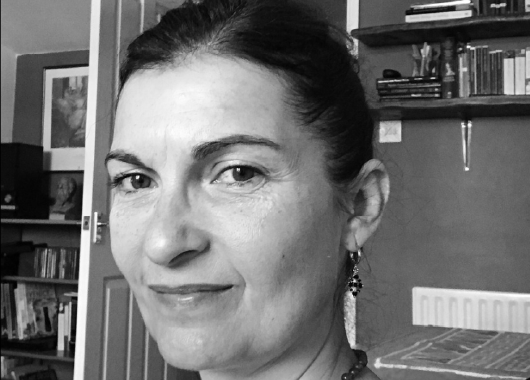
Anita Khanna
Storyteller, Temperature Rising
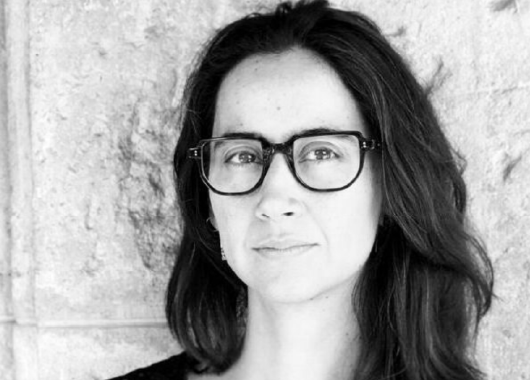
Otilia Portillo Padua
Storyteller, The Queendom
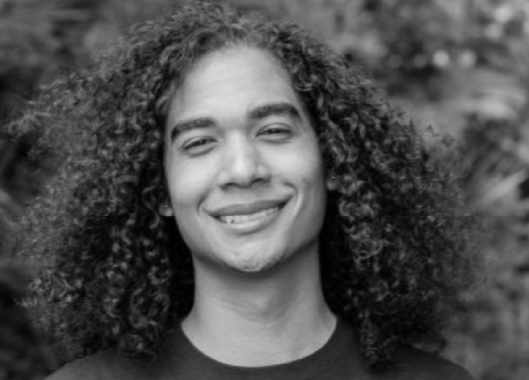
Gabriel Klaasen
Intersectional Justice Advocate
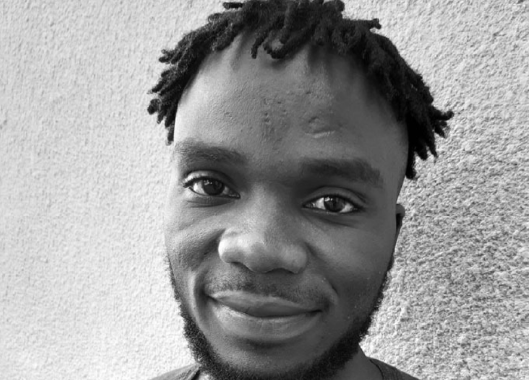
Maisha Maene
Storyteller, Fragment
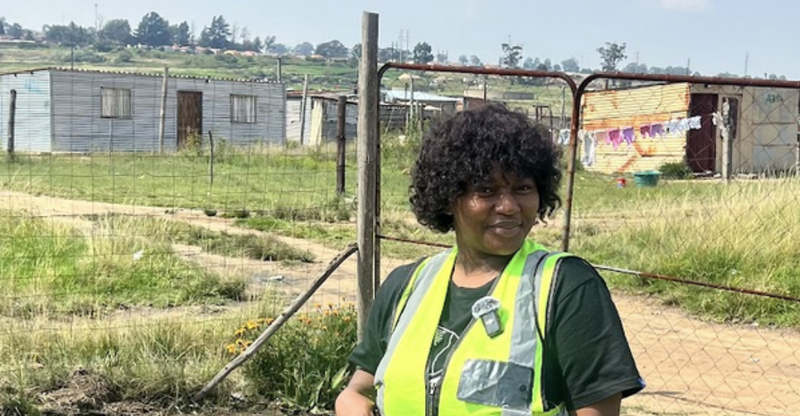
This Coal Life
Editorial Director: Lesedi Mogoatlhe
Senior Producer: Dhashen Moodley
Reporter: Siya Mokoena
Status: Production
Countries of Production: South Africa
28-year-old Thembelihle Lukhele, a young mother and unemployed engineering student, living in Nomzamo, an informal settlement in South Africa's coal-belt region has landed one of the world’s newest jobs. Nomzamo, home to 2,000 residents, faces significant challenges including high unemployment, limited access to water, and no reliable power or sewerage treatment. Last year, Thembelihle became an agent for Peco Power, a renewable energy company that wants to sell solar power devices in Nomzamo and to other residents of low-income households.
The initiative, funded by the Danish Embassy, has connected 420 households to solar power in Nomzamo. It provides better lighting & safety, reduces food costs & food wastage, improves productivity and increases access to information, education & entertainment. The monthly cost to residents for renting the solar devices is also offset by the price residents were spending on candles every month. While solar power has created opportunities for youth like Thembelihle, there are many questions about its long term success: is this solar power solution scalable and sustainable? Does it provide enough power to meet the community’s growing needs? And what happens when Thembelihle runs out of clients in Nomzamo?
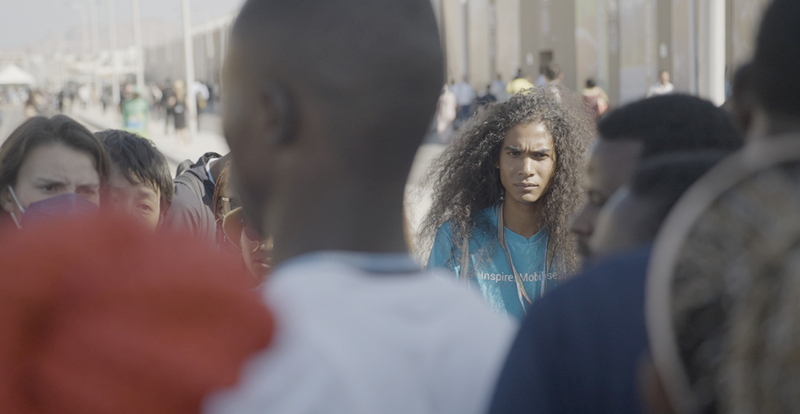
Temperature Rising
Directors: Jacqueline van Meygaarden, Anita Khanna, Rehad Desai
Producers: Anita Khanna, Rehad Desai
Status: Distribution & Impact
Countries of Production: South Africa
Gabriel Klaasen is leading the charge against coal generated energy in South Africa, where more carbon dioxide is emitted per capita than any other country on Earth. With rising global temperatures caused by the burning of fossil fuels, the stakes are high, not only for the world but also for the millions who live in close proximity to poisonous gases.
In Namibia, Ina-Maria Shikongo is working under tough conditions to stop Canadian company, Recon Africa, from fracking for gas in the Okavango Delta. Recon is threatening food security for the country and its neighbours, not to mention the immense beauty of the delta and its pristine water which has birthed a unique bio-diverse region.
When his hometown, Durban, is devastated by flooding, Kumi Naidoo is stunned by government inaction. He’s clear that people must prepare for what is coming and to organise themselves accordingly. But how do we grow a powerful movement when so few people see climate as the big issue?
Taking place between two major climate conferences – COP26 Glasgow and COP27 Sharm el-Sheikh, Temperature Rising uncovers the barriers to climate action and calls loudly for movement building from below, at a time where the very survival of large numbers of people depends on what activists can get political leaders to do.
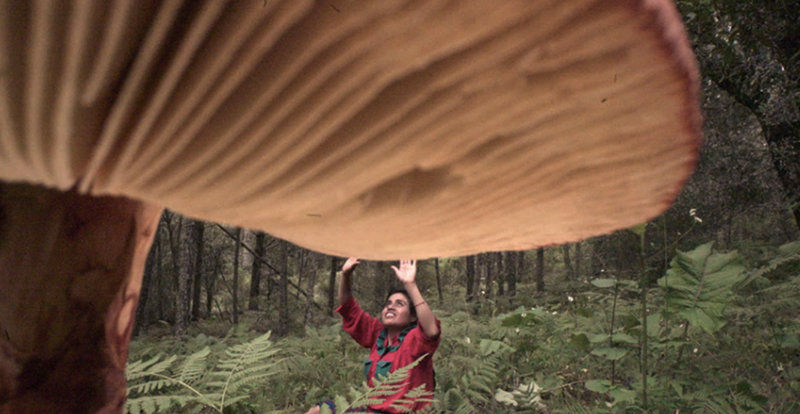
The Queendom
Director: Otilia Portillo Padua
Producers: Otilia Portillo Padua, Paula Arroio, Elena Fortes
Status: Post Production
Countries of Production: Mexico
After centuries of being ignored and even feared by scientists and the world at large, mushrooms have finally taken center stage amongst academics, entrepreneurs, investors, and especially in the popular imagination. But as the magical—and profitable—qualities of mushrooms become more mainstream, a crucial element of their story is being erased. All over the world, and especially in Mexico, there is an extensive network of indigenous women for whom the bond between human and non-human is anything but new. Their expertise was passed down from their grandmothers and great-grandmothers. They were taught to see mushrooms as partners, not products. Their vision is as radical and as imaginative as the boldest science fiction. Their vision is a Queendom.
THE QUEENDOM is a study of entanglements: between women and mushrooms, mycelia and forests, humans and non-humans, and generational knowledge and modern science. July and Lis are young, scientifically-trained indigenous women in the forests of Oaxaca and Mexico State. They face discrimination, poverty, deforestation, but they envision a different future. The Mycelia interweaves the film, appearing in interludes that expand our perception of the natural world and allow us to connect with the inconspicuous beings that we share the planet with. Part observational documentary and part speculative sci fi, THE QUEENDOM envisions a sustainable future built through the collaboration of science and tradition, of humans and nature.
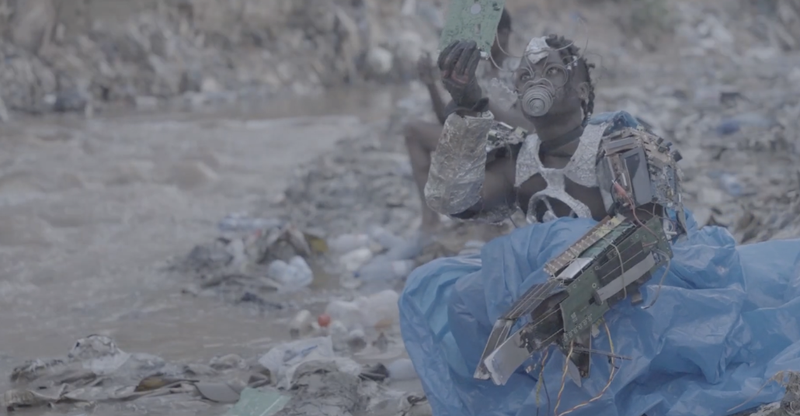
Fragment
Director: Maisha Maene
Producers: Maisha Maene, Carina Borgards
Status: Late Production
Country of Production: Congo
Technology has always increased the power of man tenfold. For centuries mechanical transport, industrial machinery or motors of all kinds have been undeniably positive conquests for Man. Since the advent of electronics and computers it is our cognitive abilities that we have then externalized. At this point, doubts set in. Finally overcoming our physical deficiencies is the fundamental driver of our technological advances.
With transhumanism or eugenics, we quickly understand the potential abuses of this ever-stronger desire to control our human condition. We can therefore ask the question: Does this relentless search for mastery of our environment really give us more power? Through a visual and poetic performance, this experimental film questions the relationship between humanity and technology.
Convening Content:
Registrant Climate & Storytelling Initiatives
Learn more about the great climate and storytelling initiatives that registrants are working on
Contact wanja@docsociety.org to submit your own
More about Doc Society & Resources:
Doc Society
Find out more about Doc Society
Doc Society’s Climate Story Unit
Learn more about the Climate Story Unit, including the Climate Story Labs, Fund, Kitchen experiments, and impact case studies
The Impact Field Guide
A comprehensive guide to the process, opportunity for creating impact with non-fiction media. Originally designed for documentary feature film campaigns, it has been updated to include a chapter on short-form media. An online resource and interactive downloadable pdf, is available in multiple languages.

Safe & Secure Guide and Checklist
A resource for independent filmmakers that addresses physical, legal and online security concerns.
Co-hosts

Contact climate@docsociety.org Contact climate@docsociety.org Contact climate@docsociety.org Contact climate@docsociety.org Contact climate@docsociety.org Contact climate@docsociety.org